If you own or plan to own a vehicle in Montana, understanding how to properly transfer or surrender license plates is essential. Whether you’re selling a car, buying a new one, or simply taking a vehicle off the road, following the correct process ensures you stay compliant with state laws and avoid unnecessary penalties. Many drivers also use a Montana license plate lookup tool to verify registration details, ownership records, or plate status during these transitions.
This guide explains everything you need to know about transferring or surrendering license plates in Montana, including when it’s required, how to do it, and important tips to avoid common mistakes.
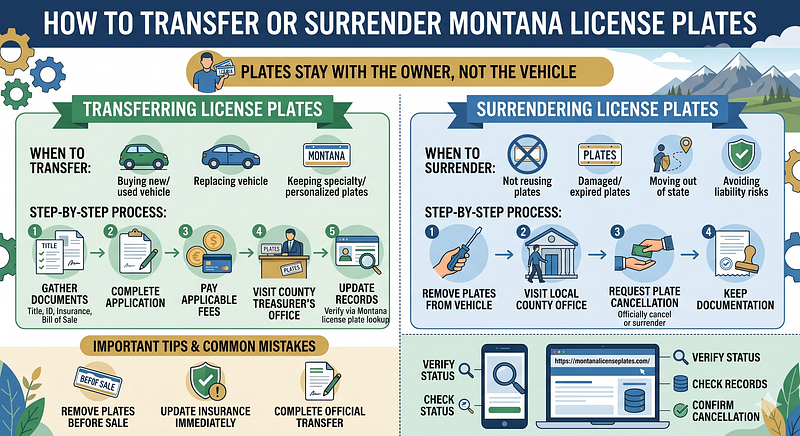
Understanding License Plates in Montana
Montana has a relatively flexible system when it comes to license plates compared to many other states. One of the key differences is that license plates are generally assigned to the owner rather than the vehicle. This means that in many cases, you can transfer your plates from one vehicle to another.
However, there are still rules and procedures you must follow depending on your situation. Failing to properly transfer or surrender plates can lead to registration issues, fines, or complications if the vehicle is involved in legal matters.
When You Need to Transfer License Plates
Transferring license plates in Montana typically happens in the following situations:
1. Buying a New or Used Vehicle
If you already own a registered vehicle and purchase another one, you can often transfer your existing plates to the new vehicle instead of getting new ones.
2. Replacing a Vehicle
When you sell or dispose of your current vehicle and replace it with another, transferring your plates helps maintain continuity and may save you money on registration fees.
3. Keeping Personalized or Specialty Plates
If you have personalized or specialty plates, transferring them ensures you retain your custom design.
How to Transfer License Plates in Montana
The process of transferring license plates in Montana is handled through your local county treasurer’s office. Here’s a step-by-step breakdown:
Step 1: Gather Required Documents
Before visiting the office, make sure you have:
- The title of the new vehicle
- Proof of ownership (bill of sale, if applicable)
- Current registration for your existing plates
- Valid identification
- Proof of insurance
Step 2: Complete the Application
You will need to complete a vehicle registration application. Indicate clearly that you are transferring existing plates to a new vehicle.
Step 3: Pay Applicable Fees
Although transferring plates is often cheaper than getting new ones, you may still need to pay:
- Registration transfer fees
- Title fees
- County taxes (if applicable)
Step 4: Visit the County Treasurer’s Office
Submit your documents and application in person. Once approved, your plates will be officially reassigned to the new vehicle.
Step 5: Update Your Records
Make sure your registration reflects the new vehicle. This is important if you later use a Montana license plate lookup service to verify details.
When You Need to Surrender License Plates
Unlike some states, Montana does not always require you to surrender your license plates when you sell or dispose of a vehicle. However, there are situations where surrendering plates is recommended or necessary:
1. You Are Not Reusing the Plates
If you do not plan to transfer your plates to another vehicle, it may be best to surrender them.
2. Plates Are Damaged or Expired
If your plates are no longer usable or valid, surrendering them ensures they are properly removed from the system.
3. Moving Out of State
If you relocate and register your vehicle in another state, you may choose to surrender your Montana plates.
4. Avoiding Liability Issues
Keeping plates tied to a vehicle you no longer own can create legal risks if the vehicle is misused.
How to Surrender License Plates in Montana
If you decide to surrender your plates, the process is straightforward:
Step 1: Remove Plates from the Vehicle
Take the plates off the vehicle once it is sold, scrapped, or otherwise no longer in your possession.
Step 2: Visit Your Local County Office
Bring the plates to your county treasurer’s office. While not always mandatory, this step ensures proper documentation.
Step 3: Request Plate Cancellation
Ask for the plates to be officially canceled or surrendered. This removes them from your name.
Step 4: Keep Documentation
Request proof of surrender or cancellation. This can protect you if questions arise later.
Can You Keep Your License Plates?
Yes, in many cases, Montana allows you to keep your plates. This is especially useful if:
- You plan to transfer them to another vehicle soon
- They are personalized or specialty plates
- You want to avoid paying for new plates
However, you should not leave plates on a vehicle that has been sold. Always remove them before completing the sale.
Fees and Costs
The cost of transferring or surrendering plates in Montana varies depending on several factors:
- Type of vehicle
- County of registration
- Age of the vehicle
- Type of plates (standard vs. specialty)
Generally, transferring plates is more cost-effective than purchasing new ones. Surrendering plates typically does not involve significant fees, if any.
Using a Montana License Plate Lookup
A Montana license plate lookup can be a useful tool during the transfer or surrender process. It allows you to:
- Verify registration status
- Check ownership records (where legally available)
- Confirm that plates have been properly transferred or canceled
For more information or to access a lookup tool, you can visit:
https://montanalicenseplates.com/
Using such tools can give you peace of mind, especially after selling a vehicle or completing a transfer.
Common Mistakes to Avoid
Many drivers make simple mistakes that can lead to complications. Here are some to watch out for:
Leaving Plates on a Sold Vehicle
This is one of the most common errors. Always remove your plates before handing over the vehicle.
Forgetting to Transfer Registration
Even if you physically move the plates, you must complete the official transfer process.
Not Updating Insurance
Make sure your insurance policy reflects your new vehicle after a transfer.
Skipping Documentation
Always keep copies of transfer or surrender paperwork.
Special Cases to Consider
Permanent Registration Vehicles
Montana offers permanent registration for certain older vehicles. If your vehicle qualifies, transferring plates may involve different procedures.
Commercial Vehicles
Commercial vehicles may have additional requirements and fees for plate transfers.
Estate Transfers
If a vehicle is inherited, plate transfer rules may differ. Check with your county office for specific guidance.

Final Thoughts
Transferring or surrendering license plates in Montana is a relatively simple process, but it’s important to handle it correctly. Whether you’re upgrading your vehicle, selling one, or moving out of state, taking the right steps ensures you stay compliant with Montana laws and avoid unnecessary complications.
Remember that license plates in Montana are typically tied to the owner, giving you flexibility when managing multiple vehicles. However, with that flexibility comes responsibility — especially when it comes to removing plates from sold vehicles and completing official transfers.
Using a Montana license plate lookup tool can also help you verify that everything has been handled properly, giving you added confidence and security.
By following the steps outlined in this guide, you can smoothly transfer or surrender your plates and keep your vehicle records accurate and up to date.